LE CASE EcoVillage Overview
LE CASE stands for "Living Equitably Creating A Sustainable Environment" we often use EV to abbreviate "Eco Village".
LE CASE is an urban ecovillage located in Pacific Beach, San Diego, CA. We are making strides to live sustainably through composting, gardening using our own efficient water management system and making our San Diego community a more beautiful place.
LE CASE Ecovillage is located on two urban lots and now hosts five separate residences. Our Urban Eco village's goal is to set an example for the San Diego community by promoting a sustainable Eco Village lifestyle. We grow some food in our gardens using permaculture techniques and encourage a communal lifestyle among the residents.
LE CASE EcoVillage's Projects & Activities
LE CASE has been proactive in implementing sustainable, eco friendly processes as part of the urban ecovillage's everyday lifestyle.
Rainwater Systems
With the ongoing problem of water shortages due to over consumption, increasing urban population and lack of water management seen around the world LE CASE has implemeted a rainwater system to reduce water waste and consumption.
Catch your San Diego rainwater: Residential Rainwater Harvesting -> Rainwater Barrel Rebates for Rainwater Barrels purchased in 2012 are available through the City of San Diego's Water Conservation Program website.
Composting
Click the Image Below to Play LE CASE's Automatic Composting Video.
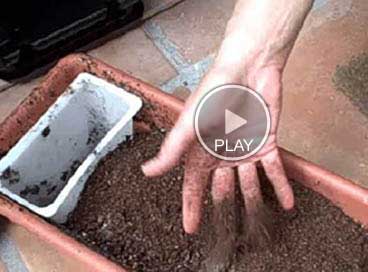 The ecovillage composting we have implemented is a modern method of composting that fits the urban eco-village lifestyle model. In a period of of two weeks our food scraps are turned into compost and go back to the garden! Oh, and, by the way, it uses about 5 kwh, or, roughly, only 50 cents of power a month!
There's a balance of brown and green involved in composting... really like a little science, if you will. Composting is a balance between the ratio of carbon ("brown" stuff like fall leaves) and nitrogen ("green" things like veggies).
Look for an upcoming LECASE ecovillage San Diego composting class and learn how to produce valuable soil from food scraps, coffee and yard waste. Just for the record, more than 24% of garbage, on the average, can be composted.
Great composting Tips can be found at: COMPOSTING 101Organic Gardening
Our urban eco-village uses purely organic and natural methods in the onsite garden. Organic gardening means that there are no chemical pesticides used and all of the procedures in the garden fall under the organic guidelines as legally defined.At LE CASE ecovillage this includes using our own natural composting materials, weeding by hand, using eco friendly water systems, spraying organic substances to control pests and disease plus taking care to rotate, diversify and plan the garden plantings to be sure our system replenishes the resources as it makes use of them. Please visit our wiki and other resources for more information on the concept of organic gardening.
Green Web Hosting
The LE CASE ecovillage has even considered it's carbon footprint in the cyber community and has made a switch to use green hosting services for the ecovillage website.Our activities and projects will contine to grow and expand as well as the LE CASE Urban Ecovillage Community. We are currently looking into convenient community transportaion as well as more efficient utility services. We will post regular updates via the website and - or the blog so please be sure to check back regularly!
LE CASE ECOVILLAGE GOLDEN RULES:
- Grow your own food. Urban gardening fosters community, reduces waste, cleans the air and provides fresh food.
- Buy organic. Nitrogen runoff from fertilizers destroy entire aquatic ecosystems while pesticides destroy biodiversity; Organic agriculture can remove 7,000 pounds of carbon dioxide from the atmosphere per acre every year.
- Buy local. An average food item in the US travels 1,500 miles.
- Buy Fair Trade. Hundreds of thousands of children work as slaves in cocoa, coffee and other plantations; if an item cannot be produced in your area buy products that respect not only the environment but also the people who produced it.
- Eat fresh whole food. Post-production (processing, packaging, transportation, storage and retail) accounts for 80-90% of the food system's fuel usage.
- Avoid eating meat. If you must, make sure it is grass fed and pasture raised. One third (1/3) of the world's harvested cropland grows feed and forage for animals in CAFOs (Confined Animal Feeding Operations).
- Know your fish. Most of our fish stock is at risk of extinction. If you buy wild fish make sure that is MSC (Marine Stewardship Council) certified or, if farmed, choose fish thaty is low on the food chain - meaning vegetarian ones such as tilapia and catfish.
- Re(cycle) Energy and Nutrients. Waste=food, compost your kitchen scraps and fertilize your plants with it.